
If you’ve been curious about the new wave of longevity-focused getaways, you’re not alone. More people are looking beyond quick fixes and spa weekends, and instead choosing experiences that help them feel better now while also supporting their health for the long haul. That’s where a longevity-focused wellness retreat comes in: it’s part relaxation, part education, part habit reset, usually guided by professionals who can help you personalize what “healthy aging” means for your body and lifestyle.
This guide walks through what a typical multi-day longevity retreat can look like, from the first check-in to the final day. Of course, every retreat has its own vibe and schedule, but the structure tends to share a common theme: assess where you are, build a plan, practice the plan, and leave with tools you can actually keep using at home.
You’ll see a day-by-day breakdown, plus practical tips to get the most out of the experience, especially if you’re trying to choose among wellness retreats for longevity and want to understand what you’re really signing up for.
Before you even arrive: the prep that makes the retreat work
One of the biggest surprises for first-timers is that the retreat often starts before you set foot on the property. Many longevity-focused programs send intake forms in advance: medical history, sleep patterns, stress levels, nutrition preferences, injuries, movement limitations, and goals. This isn’t busywork. It’s the foundation for personalization.
In a strong program, the team uses your intake to map out a schedule that fits you. If you’re dealing with tight hips, you’ll likely see mobility work in your plan. If you’re already active but exhausted, your schedule might lean more toward recovery and nervous system downshifting. If you want better metabolic health, the retreat may emphasize nutrition education, strength training basics, and blood-sugar-friendly routines.
It’s also common to get packing guidance that’s more specific than “bring sneakers.” You might be asked to bring a water bottle for hydration tracking, comfortable layers for early morning breathwork, or a journal for reflection and habit design. The goal is to reduce friction so you can focus on the actual work of feeling better.
Day 1: arrival, orientation, and getting a baseline
Day 1 usually feels like a mix of excitement and relief. You’ve arrived somewhere designed to help you slow down, and that shift is immediate: fewer notifications, fewer decisions, and a schedule that supports your health instead of competing with it. After check-in, many retreats start with a gentle orientation. What’s included, how sessions work, and how to communicate preferences (like quiet time, dietary needs, or training intensity).
Then comes the baseline. Longevity retreats often begin with assessments that help the team understand your starting point. Depending on the retreat, this can include posture and gait analysis, mobility screening, resting heart rate, blood pressure, body composition, or movement tests. The vibe is usually supportive, not judgmental, think “let’s learn what your body is doing” rather than “let’s grade you.”
By the end of Day 1, you’ll likely have a first look at your personal schedule: a mix of movement, recovery, education, and some true downtime. Many retreats also include a welcome dinner that’s both delicious and intentional, food that supports energy, digestion, and stable mood without feeling like you’re being punished.
What the first evening often includes
Most programs keep the first evening light. You might do a gentle stretch class, a short guided meditation, or a simple walk to help your nervous system settle. Travel can be surprisingly hard on the body, dehydration, stiffness, and disrupted sleep, so easing in is a smart longevity move.
There’s often an early bedtime culture, but it doesn’t feel strict. It feels like permission. If you’re used to late-night scrolling or working, the retreat environment can make it easier to choose rest without feeling like you’re “missing out.”
Some retreats also offer an optional sleep-support ritual: magnesium-rich tea, breathwork, or a short talk on circadian rhythms. The point isn’t to overload you with information; it’s to set the stage for deeper recovery starting on night one.
Day 2: the deep dive, consultations, movement, and a personalized roadmap
Day 2 is often where the retreat starts to feel distinctly “longevity-focused” rather than just “healthy.” This is when many programs schedule their most important consults and assessments. You might meet with a physician, a health coach, a nutrition specialist, or an exercise physiologist depending on the retreat model.
These conversations are where the retreat becomes personal. Instead of generic advice like “eat more protein” or “sleep more,” you’ll likely discuss what’s realistic for your life, what’s been getting in the way, and what changes will give you the biggest return. The best programs help you prioritize, because trying to change everything at once is usually a fast track to doing nothing consistently.
If your retreat offers structured clinical-style sessions, you may see options like lifespan and wellbeing consultations built into the experience menu. These kinds of sessions tend to connect the dots between your current habits and your long-term health trajectory, without turning the retreat into a hospital visit.
A typical morning rhythm: hydration, light movement, and sunlight
Many longevity retreats start the day with small, repeatable habits that you can copy at home. Hydration is a big one, especially if you’re not used to drinking water early. Some programs even encourage you to notice how hydration affects your energy and cravings.
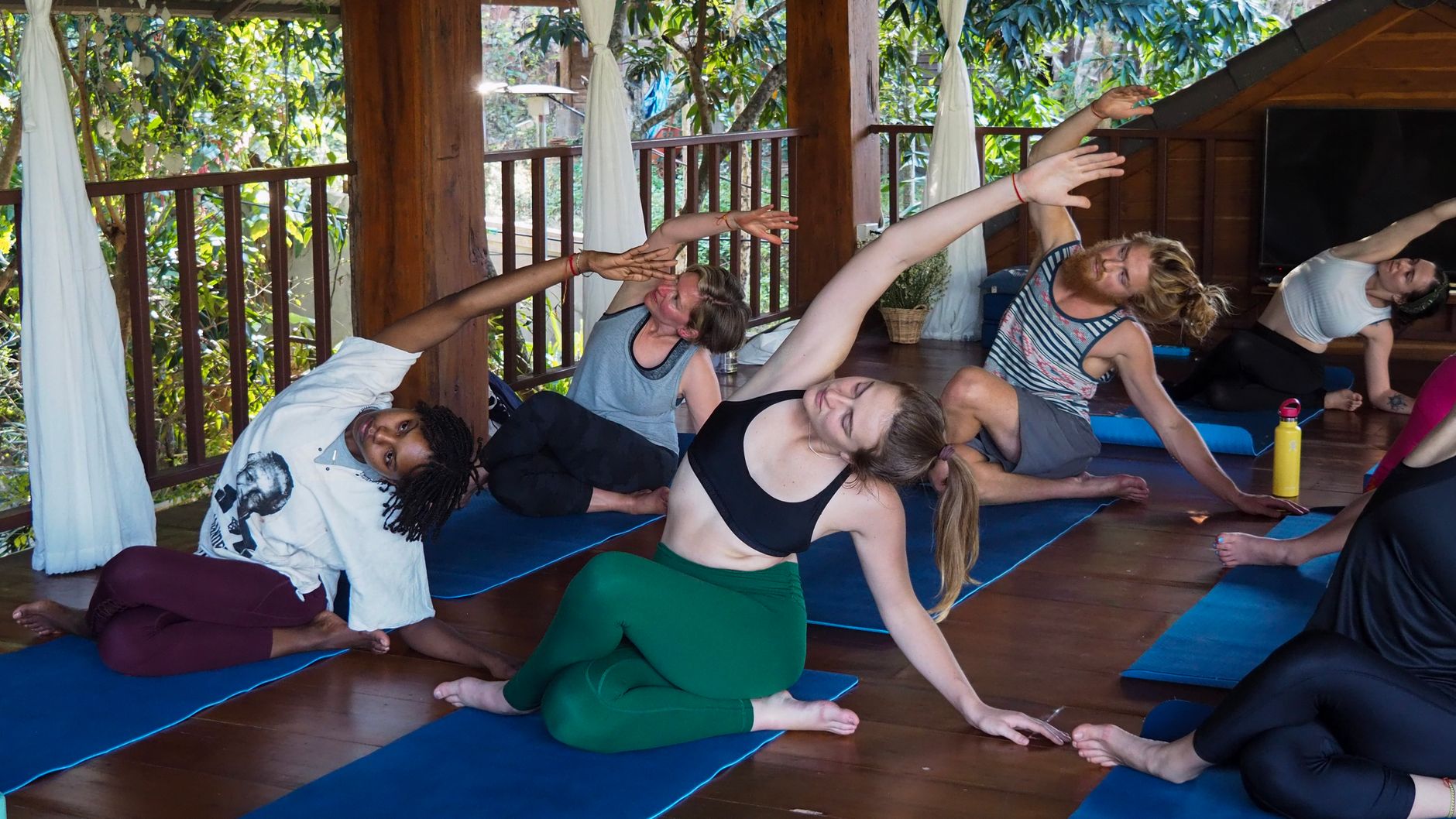
Light movement often comes next: mobility, yoga, or a guided walk. The goal isn’t to “burn calories.” It’s to wake up your joints, improve circulation, and set a calm tone. Morning sunlight is frequently part of the plan too, because circadian rhythm health is a quiet powerhouse for longevity, impacting sleep quality, mood stability, and metabolic function.
After that, breakfast tends to be balanced and steady: fiber, protein, healthy fats, and foods that keep you full without a crash. The best retreats make this feel enjoyable, not restrictive, and they explain why the meal is built the way it is.
Afternoon sessions: strength, stability, and the “anti-fragile” body
Longevity isn’t just about living longer. It’s about staying capable. That’s why strength and stability training show up in many retreat schedules. You might do a private training session focused on form, joint-friendly strength work, and core stability. This is often where people realize they’ve been “working out” for years without building the kind of strength that protects them as they age.
Expect an emphasis on fundamentals: squats or sit-to-stand patterns, hip hinges, pulling movements, carries, and balance drills. Trainers at longevity retreats tend to care more about technique and consistency than intensity for intensity’s sake.
It’s also common to learn how to scale. If you have knee pain, you’ll explore alternatives. If you’re already strong, you might refine your mechanics and add controlled challenge. The goal is to leave with exercises you can do safely, not just a workout you survived once.
Day 3: recovery as a skill, sleep, stress, and nervous system training
Day 3 often shifts from “build” to “restore.” That shift reflects how real longevity work includes recovery strategies you can repeat. Many people arrive with a nervous system that’s been stuck in “on” mode for years, busy mind, shallow breathing, tight shoulders, restless sleep. Day 3 is where the retreat starts teaching recovery like it’s a trainable skill.
Sleep education is common here, but it’s usually practical rather than preachy. You might learn how caffeine timing affects deep sleep, why alcohol fragments sleep architecture, or how late-night light exposure messes with melatonin. You might also explore your personal sleep blockers: stress, temperature, screen habits, or inconsistent wake times.
Stress management is treated as a physiological topic, not a personality flaw. Breathwork, meditation, and guided relaxation are typically framed as tools to shift your body into parasympathetic mode, lowering stress hormones, improving digestion, and helping your body actually absorb the benefits of movement and nutrition.
Hands-on recovery modalities: what you might try
Recovery sessions vary by retreat, but common options include massage therapy, bodywork, stretching sessions, contrast therapy, sauna, or gentle hydrotherapy. The focus is often on downregulating the nervous system and improving circulation.
Many retreats also incorporate mindful practices that feel surprisingly powerful: slow walking meditation, guided breath sessions, or longer restorative yoga. These can seem “too easy” until you realize how hard it is to truly relax when your body is used to constant stimulation.
What makes these modalities longevity-relevant is consistency. A good retreat doesn’t just give you a massage and send you home; it helps you identify a recovery routine you can actually maintain, maybe it’s 10 minutes of breathwork after work, or a weekly sauna session, or a strict wind-down routine two hours before bed.
Food on recovery-focused days: steady energy, not willpower
Nutrition at longevity retreats often becomes more educational around Day 3, once you’ve had a couple of days to feel the difference in your energy. Instead of telling you to “eat clean,” the team might explain how protein supports muscle maintenance, how fiber supports gut health, and why stable blood sugar can improve mood and cravings.
You may also learn about meal timing. Some people do better with a protein-forward breakfast; others need a bigger lunch and a lighter dinner for sleep. The retreat environment helps you experiment without the chaos of everyday life.
And yes, there’s usually room for pleasure. The best longevity programs understand that sustainability matters. Food that feels punishing rarely leads to long-term behavior change.
Day 4: building your “at-home plan” so the benefits don’t fade
By Day 4, many guests feel noticeably different: clearer mind, steadier energy, less bloating, fewer aches, better sleep. This is also the moment when a common fear pops up: “How do I keep this going when I’m back to real life?” Great retreats anticipate that and dedicate time to habit design.
This is where you’ll often work with a coach or practitioner to translate retreat lessons into a realistic routine. Not a fantasy schedule that requires two hours a day and a private chef, something that fits your calendar, your family, your work demands, and your personality.
Instead of “do everything,” you’ll usually pick a few high-impact anchors: a morning routine, a movement plan, a sleep boundary, and a nutrition baseline. The goal is to create a system that makes healthy choices easier than unhealthy ones.
Movement planning: minimum effective dose
Longevity-focused movement planning often emphasizes the minimum effective dose. What’s the smallest amount of strength, mobility, and cardio you can do consistently that still moves the needle? This is where many people finally ditch the all-or-nothing mindset.
You might leave with a simple weekly template: two strength sessions, two low-intensity cardio sessions, one mobility session, and daily walking. Or you might build a plan around your current reality: 20-minute strength circuits at home, plus walking meetings, plus a weekend hike.
The retreat team may also help you plan for obstacles. If travel ruins your routine, you’ll build a “hotel plan.” If work stress triggers late-night snacking, you’ll design a stress buffer that doesn’t rely on willpower.
Stress planning: boundaries and breathing
Breathwork is great, but longevity also depends on boundaries. Day 4 often includes conversations about digital overload, work-life balance, and how to protect downtime. This can be the most challenging part, because it’s not about knowledge; it’s about choices.
A coach may encourage you to pick one boundary that feels both meaningful and doable: no email after 7 p.m., phone out of the bedroom, a 10-minute transition ritual after work, or a weekly “recovery block” on your calendar.
These changes may sound small, but they can dramatically improve sleep and consistency. And consistency is where longevity habits actually pay off.
Day 5: the “sabbatical” feeling, slowing down enough to reset
Many longevity retreats include a day that feels more spacious, less scheduled intensity, more time to integrate. This isn’t wasted time. It’s where your body and brain catch up. If you’ve been living in constant stimulation, spaciousness can feel unfamiliar at first, but it’s often where the biggest insights show up.
This is also the day when some people choose to lean hard into rest: extra sleep, longer walks, more time by nature, and fewer “optimizing” conversations. If you’ve been running on adrenaline, this kind of day can feel like a reset button.
Some retreats even structure packages specifically around restoration, similar to a rest and recovery wellness retreat approach where the emphasis is on deep rest, gentle movement, and rebuilding your baseline energy. For many guests, this is the missing piece, because you can’t out-train chronic stress.
Nature time: the underrated longevity tool
Nature is often built into the schedule in a way that feels effortless: guided hikes, outdoor breathwork, sunrise walks, or simply time in quiet spaces. This isn’t just “nice.” Time in nature is associated with lower stress, better mood, and improved attention, factors that indirectly support long-term health.
Longevity retreats tend to encourage device-free moments outdoors. Without constant input, your mind can settle, and you may find it easier to notice what your body actually needs: more sleep, more protein, more movement, less caffeine, fewer late nights.
Even if you live in a city, the retreat can help you plan for nature at home, weekend park walks, short daily outdoor breaks, or occasional hiking trips that double as movement and stress management.
Gentle integration sessions: making the lessons stick
Integration can look like a guided reflection, a coaching session, or a workshop where you map out your next 30 days. The goal is to turn retreat insights into decisions. “I feel better here” becomes “Here’s what I’m changing when I get home.”
You might review what worked best for you: Was it the consistent wake time? The protein at breakfast? The daily walking? The lack of alcohol? The mid-day breathwork? The retreat helps you identify your highest-leverage habits.
This is also a good time to decide what you’re not doing. A realistic plan often includes letting go of low-value habits that drain time and energy. Longevity is as much about subtraction as it is about addition.
Day 6: recalibration, performance, metabolism, and “healthspan” markers
Depending on the retreat length, Day 6 often returns to a more active focus. Now that you’re better rested and more in tune with your body. You may revisit movement assessments, refine your strength technique, or try a different training style like Pilates, functional training, or low-impact conditioning.
This day can also include education around “healthspan” markers, things that predict how well you’ll function as you age. Think: muscle mass, grip strength, balance, cardiovascular capacity, mobility, and metabolic health. The message is usually empowering: these are trainable, improvable, and worth paying attention to.
Rather than chasing extremes, longevity-focused programs tend to promote the middle path: build strength without injury, improve cardio without burnout, and support metabolism without obsession.
Cardio for longevity: zone 2, intervals, and walking
Many retreats teach cardio in a way that’s less intimidating than typical fitness culture. You might learn about low-intensity steady-state work (often called “zone 2”), which supports mitochondrial health and endurance. You might also explore short, safe intervals that improve cardiovascular capacity without requiring you to become a runner.
Walking is often positioned as a cornerstone habit. It’s accessible, joint-friendly, and easy to maintain. Some retreats even encourage “walking snacks” throughout the day, short walks after meals to support blood sugar and digestion.
The key takeaway is that cardio doesn’t have to be punishing to be effective. Consistent, appropriately dosed cardio is one of the most reliable longevity tools.
Metabolic health: what you’ll actually talk about
Metabolic health can sound technical, but retreats usually keep it practical. You might discuss how to build meals that keep you full, how to reduce ultra-processed foods without becoming obsessive, and how strength training supports insulin sensitivity.
You may also talk about alcohol and sleep, because even moderate drinking can affect recovery and appetite regulation. The retreat environment makes it easier to notice these patterns because you’re not juggling your normal routine.
Most importantly, you’ll likely be encouraged to focus on trends, not perfection. Longevity is built on what you do most days, not what you do on your best day.
Day 7: departure day that still feels useful (not rushed)
On the final day, the best retreats avoid the “goodbye and good luck” vibe. Instead, they create a structured wrap-up: a final check-in, a review of your plan, and clarity on next steps. You might receive a written summary of your sessions, recommended routines, or follow-up suggestions.
It’s also common to talk about the emotional side of going home. Retreat life is simpler. Your environment supports you. At home, you’ll have triggers and responsibilities. A strong program helps you anticipate that transition so you don’t lose momentum in the first week back.
Many guests leave with a short list of priorities for the next month, plus a “fallback plan” for hectic weeks. That fallback plan is often what keeps the retreat benefits alive.
How to keep the retreat effect going for 30 days
A helpful strategy is to treat the first month back as an experiment, not a test of willpower. Choose a few key habits and track how they affect your sleep, energy, mood, and cravings. This keeps you focused on results, not rules.
Some people pick three anchors: a consistent wake time, a protein-forward breakfast, and 8,000 steps a day. Others focus on strength twice a week, no screens in bed, and a 10-minute evening wind-down. The “right” plan is the one you’ll do when life gets messy.
If you can, schedule a follow-up: with a coach, a trainer, or even a friend who will keep you honest. Longevity is easier when you’re supported, and accountability doesn’t have to be intense to be effective.
What you’ll do all week (and why it matters for longevity)
Even though the days have different themes, most longevity-focused retreats repeat a few core pillars. That repetition is intentional. It helps your body learn a new baseline and helps your brain build new defaults.
Below are the common threads you’ll likely see throughout the week. And how they connect to long-term health in a real, non-hype way.
Daily movement that respects your joints
Longevity retreats tend to prioritize movement quality. You’ll often do a mix of mobility, strength, and low-intensity cardio, with plenty of coaching on form. This matters because injury is one of the biggest disruptors of long-term fitness.
You’ll also learn how to listen to your body without using that as an excuse to do nothing. There’s a difference between pain and normal training discomfort, and many people have never been taught how to tell the difference.
By the end of the retreat, movement often feels less like punishment and more like self-care you can measure, better balance, fewer aches, more stamina.
Meals designed for energy, digestion, and stable mood
Food at longevity retreats often surprises people because it’s satisfying. The focus is usually on whole foods, adequate protein, plenty of plants, and smart carbs, rather than extreme restriction.
You may notice that consistent meals reduce cravings. That’s not a moral victory; it’s physiology. When your blood sugar is steadier and you’re getting enough nutrients, your brain doesn’t have to scream for quick energy.
Many guests leave with a handful of meal templates they can repeat at home, simple breakfasts, balanced lunches, and dinners that support sleep.
Sleep protection as a non-negotiable
Sleep is often the biggest “unlock” of the week. When you sleep better, everything else gets easier: training feels better, cravings decrease, stress feels more manageable, and mood steadies out.
Retreats help by controlling the environment: quieter nights, fewer obligations, more daylight, and less screen time. But the real value is learning what to replicate at home, cooler room temperature, consistent wake time, earlier caffeine cut-off, and a real wind-down routine.
Longevity isn’t built on heroic effort. It’s built on recovery you can count on.
How to choose a longevity retreat that’s actually worth it
Not all retreats are created equal. Some are basically vacations with a yoga class. Others are intense bootcamps. A true longevity-focused wellness retreat usually sits in a sweet spot: evidence-informed, personalized, and supportive, without being extreme.
When you’re comparing options, look at how the retreat personalizes your experience. Are there assessments? Consultations? A plan you can take home? Are the movement sessions coached and scalable? Is recovery treated as seriously as exercise?
Also consider the culture. You’ll get more from a retreat that feels safe and encouraging than one that makes you feel like you’re constantly behind. Longevity is a long game, and the best programs help you build confidence, not perfectionism.
Questions to ask before you book
Ask what a typical day looks like and how much is optional. Some people thrive with structure; others need more autonomy. Make sure the schedule matches your personality and energy levels.
Ask how the retreat handles injuries or limitations. You want a team that can modify intelligently, not just tell you to “push through.” Joint-friendly training is a hallmark of good longevity programming.
Finally, ask what support exists after you leave. Even a simple take-home plan or follow-up call can make a huge difference in whether your new habits stick.
Common myths about longevity retreats (and what’s more realistic)
There’s a lot of marketing around longevity right now, so it’s worth clearing up a few myths. A retreat can be powerful, but it’s not magic. The best outcomes come from realistic expectations and consistent follow-through.
Think of a retreat as a reset and a learning lab. It gives you the experience of feeling better, often quickly, which can motivate you to keep going. But the real transformation happens when you bring those habits into your normal life.
Here are a few common misconceptions and a healthier way to view them.
Myth: You need extreme protocols to get results
Many people assume longevity requires complicated supplements, intense fasting, or punishing workouts. In reality, the basics are still the basics: strength, movement, sleep, nutrition, stress management, and social connection.
A good retreat may introduce advanced tools, but it usually reinforces fundamentals. The “secret” is consistency and personalization, not extremity.
If a retreat makes you feel like you can’t be healthy without living like a full-time biohacker, it may not be the best fit.
Myth: You’ll come home and never struggle again
Even after an amazing retreat, you’ll have hard weeks. Work gets busy, sleep gets disrupted, motivation dips. That’s normal. Longevity is built by returning to your plan, not by never deviating.
The most valuable thing you can bring home is a simple set of defaults: what you do when you’re busy, stressed, or traveling. Retreats that teach this “fallback plan” mindset tend to create better long-term outcomes.
Progress isn’t a straight line, and you don’t need it to be.
The real takeaway: what a week like this can change
A longevity-focused wellness retreat can change your trajectory in a surprisingly practical way. It can show you what it feels like to have steady energy, deeper sleep, a calmer nervous system, and movement that doesn’t hurt. It can also give you a plan that’s based on your body, not generic advice.
Most importantly, it can remind you that health doesn’t have to be complicated to be effective. When you stack a few key habits, strength, walking, protein, sleep boundaries, stress recovery, you build a foundation that supports both how long you live and how well you live.
If you’re exploring wellness retreats for longevity, use this day-by-day breakdown as a reference point. The right retreat won’t just help you feel great while you’re there. It’ll help you bring that feeling home and keep it going.
South Carolina city guides
Body contouring, city by city
Charleston
The largest group of plastic surgeons in the state register, costs and what to check before a consultation.
Columbia
Plastic surgery in the capital: costs, the license lookup and the register’s surgeons.
Greenville
Body contouring in the Upstate: costs, surgeons and what to check before a consultation.
Mount Pleasant
Surgeons across the harbor from Charleston, prices and the questions to ask.
North Charleston
Costs, recovery and the nearest plastic surgeons for North Charleston.
Summerville
What a Summerville patient pays, and where the nearest surgeons are.
Rock Hill
Rock Hill and York County: costs, and the nearest surgeons in South Carolina.